
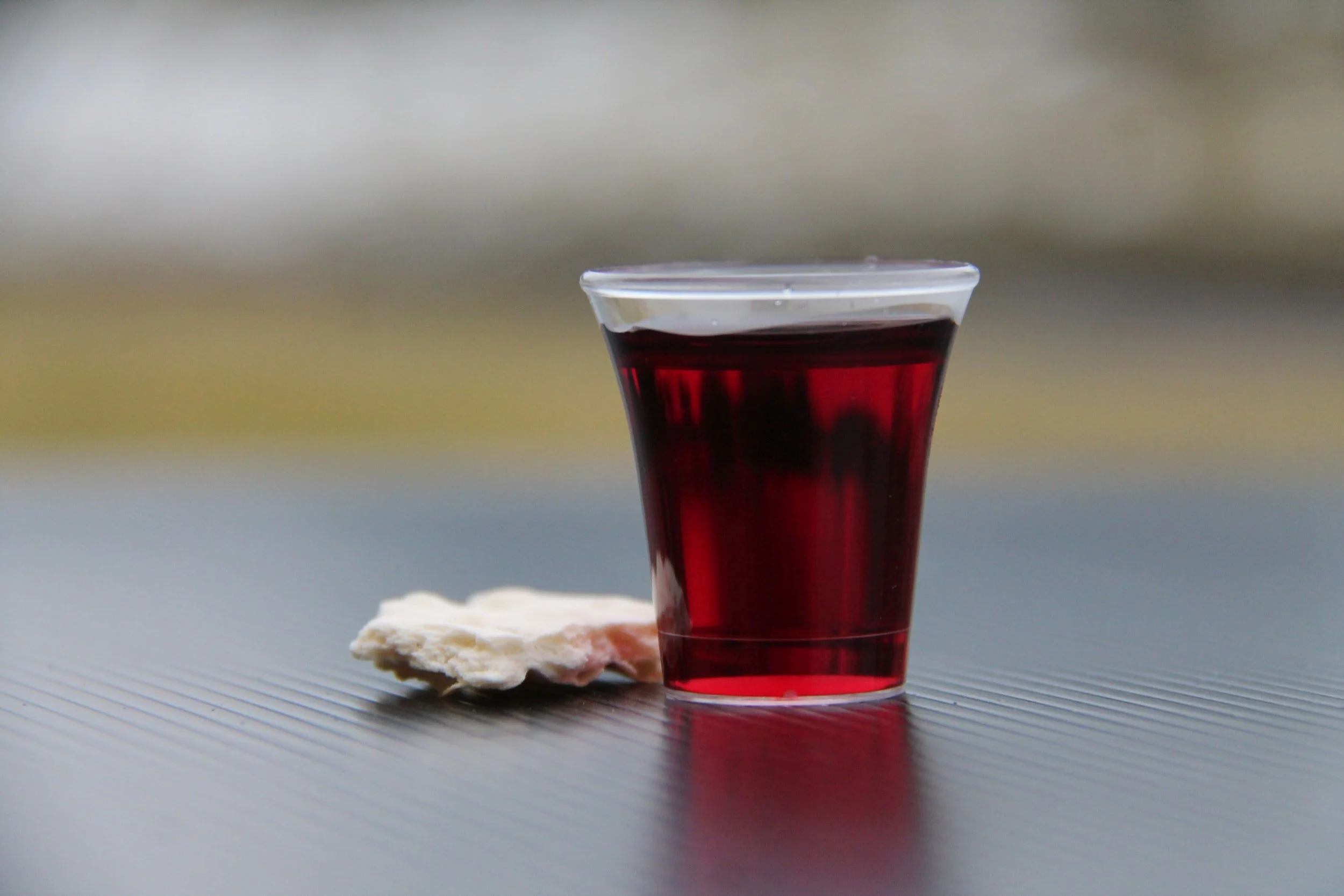
As we speak about communion, it is important to realize just how sacred it is to God and how important it is for us to prepare our hearts when participating in the Lord’s table.
The original setting of Lord’s supper was a joyful, yet sacred time of coming together as a church to share a common meal to remember the Lord’s sacrifice for us - His broken body and shed blood.
It was one of the 4 principal practices of the early church in Acts 2:42: They continued steadfastly in the apostle’s doctrine and fellowship, and in breaking of bread, and in prayer.
23 For I received from the Lord what I also passed on to you: The Lord Jesus, on the night he was betrayed, took bread, 24 and when he had given thanks, he broke it and said, “This is my body, which is for you; do this in remembrance of me.”
25 In the same way, after supper he took the cup, saying, “This cup is the new covenant in my blood; do this, whenever you drink it, in remembrance of me.” 26 For whenever you eat this bread and drink this cup, you proclaim the Lord’s death until he comes.
27 So then, whoever eats the bread or drinks the cup of the Lord in an unworthy manner will be guilty of sinning against the body and blood of the Lord. 28 Everyone ought to examine themselves before they eat of the bread and drink from the cup.
29 For those who eat and drink without discerning the body of Christ eat and drink judgment on themselves. 30 That is why many among you are weak and sick, and a number of you have fallen asleep. 31 But if we were more discerning with regard to ourselves, we would not come under such judgment.
32 But when we are judged by the Lord, we are disciplined so that we may not be condemned along with the world. 33 So then, my brothers, when you come together to eat, wait for one another— (1 Corinthians 11:23-33, ESV).
What this passage in 1 Corinthians 11 is teaching us is about why Jesus instituted communion in the first place and how we as the church should partake of it. We can observe a couple of things from this passage. It is about:
Our Reverence for the Lord
Our Relationship with the body of Christ
Our Reverence For The Lord
Paul needed to take this church back to the actual words of Christ in order for them to remember and restore the meaning of the meal to its rightful place. This celebration was not some morbid ceremony to remember the dead but a celebration to commemorate a new covenant relationship brought about by Christ’s death and resurrection.

The Lord's Supper was to be seen as a positive proclamation of the Lord’s death but also of the risen Lord and the church was instructed to partake of it until He returned.
When Jesus broke the bread and then had given thanks, He was inviting the disciples to eat and fellowship with Him. Whenever we take communion, we do so to remember why Christ, the incarnate Son of God even came to the earth.
It is to remember how His physical body was 'broken' and how He shed His precious blood because of His great love for us.
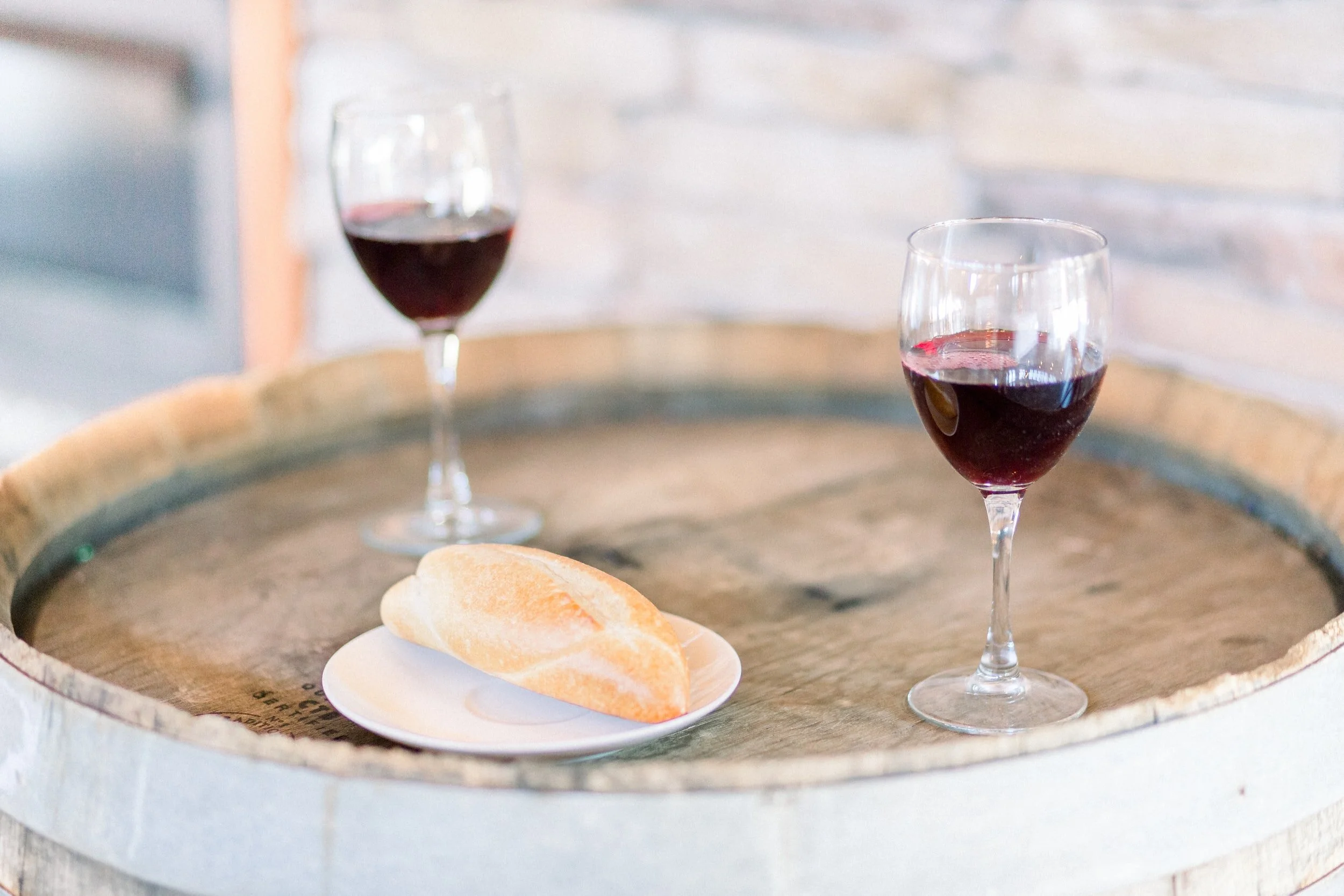
The broken bread represents His crucified body, the wine represents His blood, His very life that was broken and poured out for us so that we can now have fellowship with a perfectly just and Holy God.
Taking the bread is not simply "in memory of Him," but it is eaten as a reminder of the reality of the salvation and eternal life we now have in Christ. We drink the cup remembering the reality of His sacrificial death, the shedding of His blood, the forgiveness of our sin and the price that was paid once and for all for our redemption. It was His sacrificial death that ratified the New Covenant.
Whenever we observe this ordinance, we remember what Jesus did in the past for us on Calvary
“ so that we could have a new relationship with God in the present.”
Furthermore, the Apostle Paul says, “we proclaim the Lord's death until He comes.” This ordinance should serve as a reminder of the past, the present and the hope we have for the future.
Just think about this, He took the bread and broke it and gave thanks. He gave thanks to God for a body that was to be beaten, bruised and battered and hung on a Cross.

He was thanking the Father for the privilege of dying for a guilty, thankless human race, dying for His own creation.
Giving His life as a willing and perfect sacrifice! (Ephesians 5:2) He stated,
““No one takes it away from Me, but I lay it down voluntarily””
He broke the bread and said, "This is My body" which is for you! (1 Cor 11:24) He said, "Take, eat of it," partake of the benefits purchased for you. It is God inviting us into fellowship. This is the message of the Gospel.
By taking the bread and the cup, we are reminded of that sacred, precious relationship Christ made possible. Paul was telling the Corinthian church and teaching us that before we take from the Lord’s table, we need to examine:
Our Relationship With The Body Of Christ
““How we treat God’s people is how we are treating Jesus Himself””
We see in verses 27 -30 that because communion is partaking of the sacred body and blood of the Lord, members of the church are to examine themselves. And this is why we take time in silent prayer before taking communion to confess our sins and discern where we are in relationship to the body of Christ. It is taking time to honestly search our hearts and to sift out evil (1 Corinthians 5:7-8).
We need to continually ask ourselves,
“is our relationship with the Lord and others genuine?”
This is the time to examine your situation and repent, turn from this sin, ask God for forgiveness, for God’s mercy - because all of us need God’s mercy.
Paul is saying when you come together as a church, the ekklesia, it’s not about the building, not about the preacher or the program, it's about celebrating the life you have in Christ and welcoming everyone to the Lord’s table.
It’s about gathering together on Sunday knowing every brother and sister is a vital member of the body of Christ. Maybe you are a hand, a foot, a mouth, an arm.

The reason you come to worship is because you realize that without the rest of the church you are incomplete.
You need the body of Christ and the body of Christ needs your portion. We are a community that is called to care for one another.
In verse 26 of 1 Corinthians 12, the Scripture tells us that, “if one part suffers, every part suffers with it; if one part is honored, every part rejoices with it.” In other words, as Paul said, the hand cannot say to the foot I don't need you.
It is only when you are with the body of Christ can you truly experience wholeness and completeness. When you take your place in the church then you will experience who God made you to be. You will not experience that on your own or sitting at home. You will not experience the fullness of life and joy if you hold something in your heart against someone else.
Unfortunately, some in the Corinthian church did not see it this way. And as Paul elaborated, it had a serious negative effect on the whole community. Their lack of reverence for the Lord's supper, their lack of love, their mistreatment and familiarity with God’s people brought God’s divine discipline upon themselves. As a result, many suffered, many were sick and some died not, not for righteousness sake but because of unrepentant sin.

When the early church gathered they understood that everyone needed the body of Christ.
They knew the time that the Lord had given them to gather as a church was sacred. These believers could not wait to come together on Sunday, this was the Lord’s day, this was the time to come together at the Lord’s table.
We are thankful for the past because of what Christ has done, and because of
“His perfect work of redemption”
we can have His peace in the present and have hope for the future.
The Apostle Paul is saying to the church, that just as Christ has invited you to fellowship with Him, you as the church are to make sure that every believer, no matter who they are, where they are from is welcomed to be part of the church and partake at the Lord’s table.