
As we have been reading through the book of Acts, these past weeks, we see a common denominator for the momentous acts and events that took place in the fledgling NT church. This was a very small movement in a small town in a relatively small country and started with 12 people which today is the largest religious faith in the world. These early Christians faced great opposition and unbelievable odds yet ended up turning the world upside down.
During challenging times, we can look to God for courage and for protection on our families, our loved ones and on the church, but many times we also look to people whom God has used in past times. What was the common denominator during this pivotal time in history?
1 In those days when the number of disciples was increasing, the Hellenistic Jews among them complained against the Hebraic Jews because their widows were being overlooked in the daily distribution of food.
2 So the Twelve gathered all the disciples together and said, “It would not be right for us to neglect the ministry of the word of God in order to wait on tables.
3 Brothers and sisters, choose seven men from among you who are known to be full of the Spirit and wisdom. We will turn this responsibility over to them
4 and will give our attention to prayer and the ministry of the word.”
5 This proposal pleased the whole group. They chose Stephen, a man full of faith and of the Holy Spirit; also Philip, Procorus, Nicanor, Timon, Parmenas, and Nicolas from Antioch, a convert to Judaism.
6 They presented these men to the apostles, who prayed and laid their hands on them.
7 So the word of God spread. The number of disciples in Jerusalem increased rapidly, and a large number of priests became obedient to the faith.
8 Now Stephen, a man full of God’s grace and power, performed great wonders and signs among the people.
9 Opposition arose, however, from members of the Synagogue of the Freedmen (as it was called) - Jews of Cyrene and Alexandria as well as the provinces of Cilicia and Asia - who began to argue with Stephen.
10 But they could not stand up against the wisdom the Spirit gave him as he spoke. (Acts 6:1-10)
In this passage of Scripture, we see the importance of:
Caring for God’s community
Choosing Spirit-filled leaders
Confidence in the midst of conflict
Caring For God’s Community - The Church
In the first five chapters of Acts, Luke records the growth and impact of the Christian church in Jerusalem. Though the Christian community was still closely bound to Judaism and the outreach effort was mostly to the Jews - they were reaching the marginalized (the sick, lepers, the crippled, slaves, women and widows) and many of them were coming to the faith.
As the church grew, they were encountering some difficult situations, i.e., persecution, hypocrisy, discrimination, and disunity. Here in verse 1, Luke records how a group of Hellenistic Jewish widows, who only spoke Greek, were not being absorbed into the church, and instead were being overlooked and neglected by the Jewish members within the church.

The church has experienced times of turmoil within and without, but it is built upon Jesus Christ the cornerstone, who is the Head of His church.
It is no different today or throughout church history for the past 2,000 years.
The elders and leaders are to equip and care for the church, but we all are called to be ministers and build up the body of Christ. We are called to show compassion, longsuffering, mercy, grace, forgiveness, healing and restoration and at the same time be wise and discerning.
The church is a place where the flock is protected and corrected through the proclamation of the truth, in season and out of season as the pastor and teachers encourage and challenge the congregation to live godly lives.

It is a place of worship, praise and purity.
It is a place where we grow together, rejoice together, weep together, hurt together and heal together.
“The presence of problems does not mean the absence of God in the church. ”
There will always be unprecedented situations, changes, and challenges to which the church must adapt itself to meet the needs of people and to overcome social injustices in the church.
How has the church made it through so many of these formidable seasons?
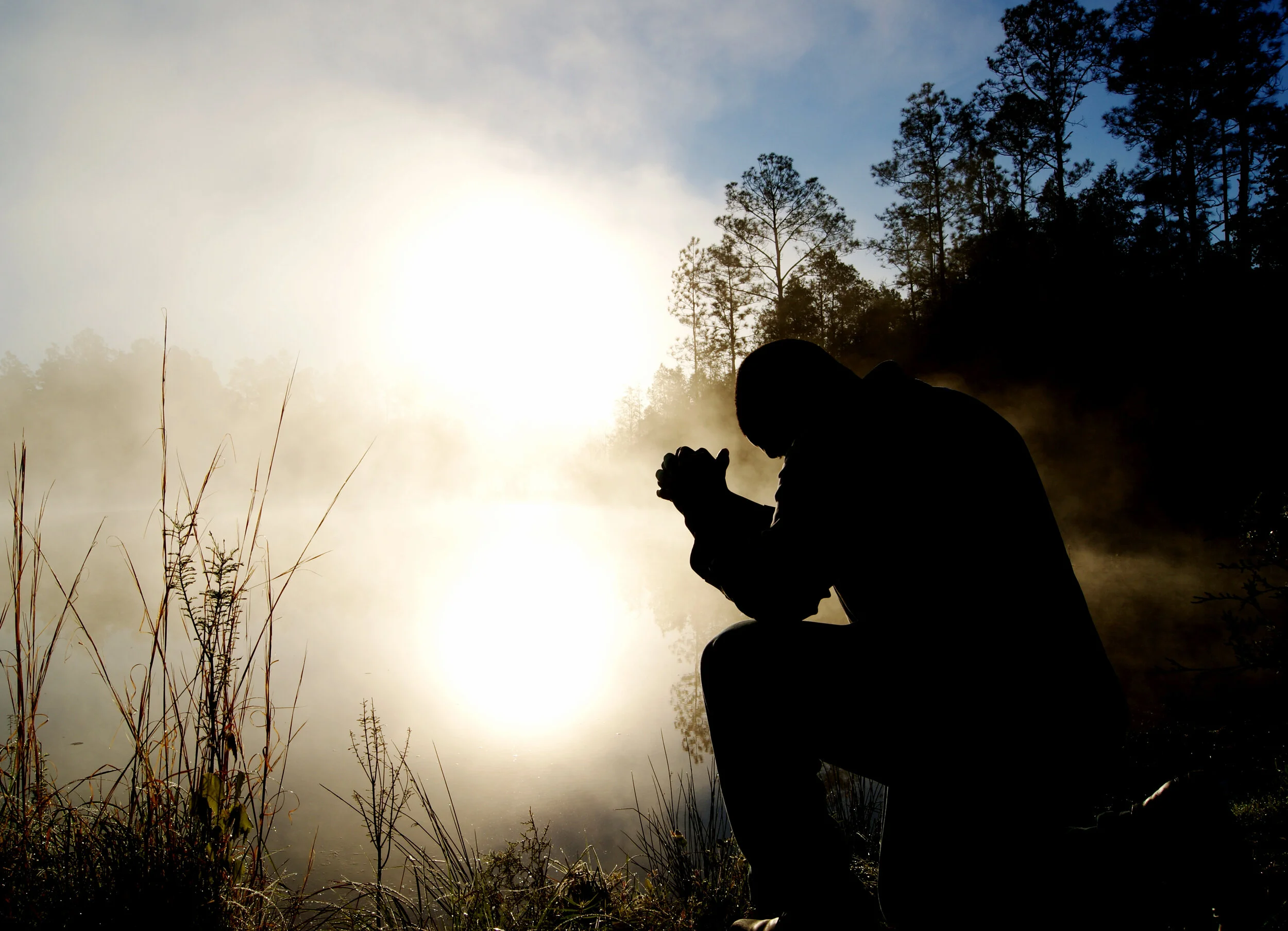
It has persevered through the body of Christ humbly depending on God each and every day.
By allowing His Spirit to fill them with His grace, His word, His wisdom each and every day.
In order for the apostles to be able to focus on prayer, preaching and teaching the Word of God, and in order for the needs of the church to be met and the church to grow, they needed to appoint certain disciples to take care of the growing needs.
Choose Spirit-filled Leaders
What were the criteria for this vital task in the church?
These leaders were chosen because of what was already known and obvious about their manner of life. They were men of godly character and moral integrity, full of the Spirit and of wisdom. They were full of faith and guided by the Holy Spirit in administration and business.
The principle is clear - we cannot live on yesterday's filling; we need to spend time with God every morning in His Word in order to be renewed in our minds and to stay spiritually sharp. This will determine how I will live today.

We will have grace and strength to face the challenges of the day.
If we are not filled up by and led by the Holy Spirit - we will be led by the desires of our flesh in order to fill the void in our hearts.
19 Now the practices of the sinful nature are clearly evident: they are sexual immorality, impurity, sensuality (total irresponsibility, lack of self-control),
20 idolatry, sorcery, hostility, strife, jealousy, fits of anger, disputes, dissensions, factions [that promote heresies],
21 envy, drunkenness, riotous behavior, and other things like these. I warn you beforehand, just as I did previously, that those who practice such things will not inherit the kingdom of God.
22 But the fruit of the Spirit [the result of His presence within us] is love [unselfish concern for others], joy, [inner] peace, patience [not the ability to wait, but how we act while waiting], kindness, goodness, faithfulness,
23 gentleness, self-control. Against such things there is no law. (Gal 5:19-21)
This was the testimony of these people’s lives - full of wisdom and the Holy Spirit. The apostles laid their hands on the seven (verse 6) and appointed them to be responsible for the daily distribution of food.
As the spiritual and physical needs of the church were being met, the Word of God spread, and the number of disciples were increasing and even many priests from the synagogue were coming to faith.
Confidence in the Midst of Conflict
Out of the seven men, there were two who took on the role of preaching, one was Philip and the other was Stephen. In verse 8, we see that Stephen was filled with grace and power and soon began preaching among the Hellenistic Jews. His message and the signs and wonders he performed were having an impact on these Jews, and a supernatural effect on all those who witnessed it.
The original Greek brings out that in the time that he was preaching, some from the local synagogue were enraged and began to question the message, to dispute the truth of it and in verse 11 cast doubt on the character of Stephen.

He was not fearful but bold and would not cower in the midst of conflict because His confidence was in the risen Lord.
His enemies could not stand up against the wisdom and intelligence, the power and inspiration of the Spirit by whom he was speaking. The Holy Spirit gave him the words, the grace, power, and wisdom to stand in the midst of his enemies, in the midst of conflict and it cost him his life.
It is one thing if Stephen would have suffered for wrong motives or actions but he suffered for preaching the truth, for the sake of righteousness.
How will you live today – Spirit filled? Spirit fed and Spirit led or fed and led by the flesh? When doubts, sorrows, and disappointments come, where will you place your confidence, in yourself or in the Lord? Will you stand up for the truth, for righteousness, to be obedient to the Word even when some do not understand, even when it costs you something?
God is not asking us what we will do tomorrow or how we live tomorrow – He is asking us about today. How will you live this day?
I would like to close with a poem.

We plan to do much in the years to come,
But how have we lived today?
We can plan to give money in amazing sums,
But what did we give today?
We can lift the heart and dry the tear,
We can plant a hope in the place of fear,
We can plan to speak words of love and cheer,
But what did we speak today?
We plan to show kindness in the days to come,
But what have we done today?
We plan to bring joy to the saddened ones,
But what have we brought today?
We want to speak truth in amazing ways,
Live with a steadfast faith all our days,
Feed hungering souls come what may,
But who have we fed today?
We will receive blessings as the days go by,
But who have we blessed today?
We plan to build mansions up in the sky,
But what have we built today?
We long to do something we know that will last;
But the question today did we do our task?
Yet, this is the thing our souls must ask – How have we lived today?