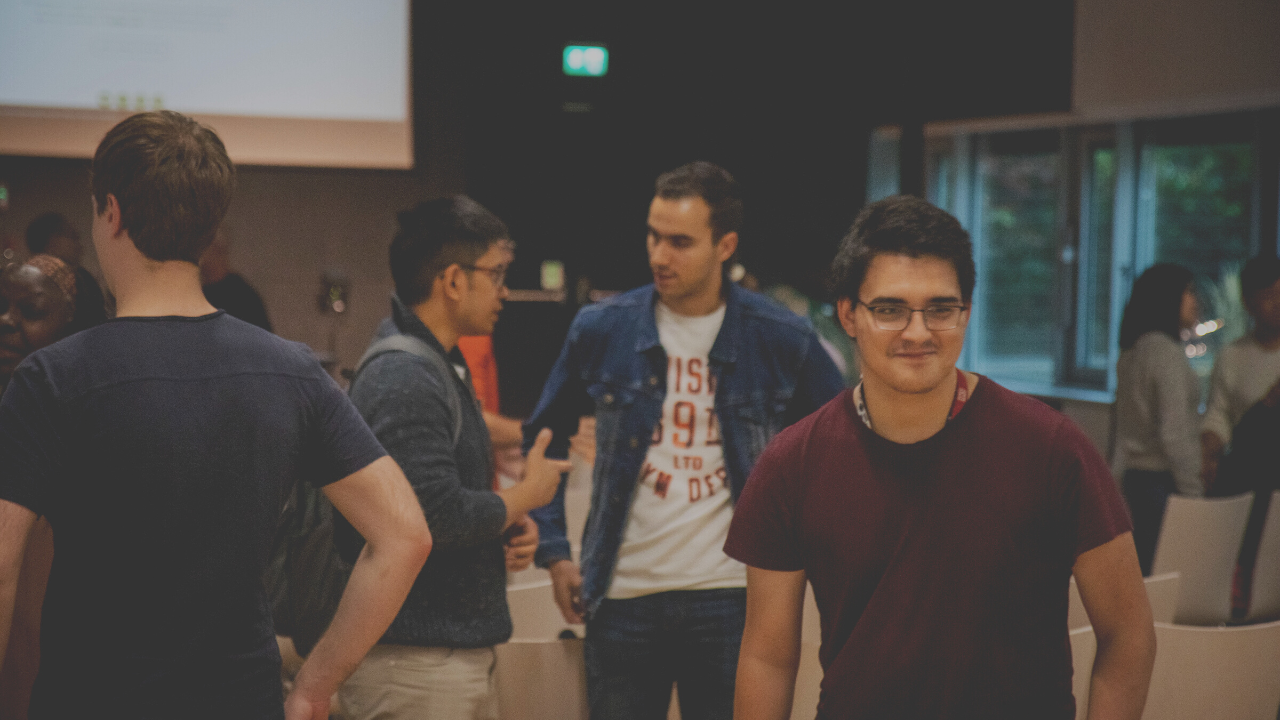
This week and next we will be talking about the keys to building and maintaining a healthy church community.
42 All the believers devoted themselves to the apostles’ teaching, and to fellowship, and to sharing in meals (including the Lord’s Supper), and to prayer. 43 A deep sense of awe came over them all, and the apostles performed many miraculous signs and wonders. 44 And all the believers met together in one place and shared everything they had.
45 They sold their property and possessions and shared the money with those in need. 46 They worshiped together at the Temple each day, met in homes for the Lord’s Supper, and shared their meals with great joy and generosity 47 all the while praising God and enjoying the goodwill of all the people. And each day the Lord added to their fellowship those who were being saved (Acts 2:42-47).
We see 4 key practices that the early church regularly engaged in which promoted a healthy community. Today we will look at 2 of the 4 practices - Devotion to:
The Word of God
Fellowship
The Word of God
Luke records that all the believers devoted themselves to the apostles’ teaching. “Devoted” in the Greek is the word proskartereó which means: to persist, persevere in, continue steadfast in (in spite of difficulties); to endure (remain firm), staying in a fixed direction.
Here in Acts 2 the verb is in the present active participle. These believers were faithfully committed to a certain course of action and remained fixed in this direction. This first course of action was
“learning the Word of God on a continual basis. ”
At the core of any healthy congregation is a vibrant exposition of God’s Word. This is why we teach the Word book by book, bringing out what the Bible reveals to us so that we are learning not just the parts of Scripture that we like to hear but the whole counsel of God.
Paul was in Ephesus for two years, teaching the Word of God day and night. And even after he left Ephesus, he wrote a letter to them which we know today as the Book of Ephesians in the NT.
This new community continued listening to the Word and continued learning from what they heard.

They learned by taking the Word into their hearts and living it out in their daily lives.
It wasn’t just information for them - the Word was life and they were learning to view all of life through a biblical lens.
Being devoted to the Word of God is about preparation of the heart. Having a humble heart that is ready and willing to listen to, learn from, and live out the Word of God. And as these new believers grew in their relationship to God, they were also growing in the 2nd key to healthy community:
Fellowship
True fellowship is spiritual, deep and essential to our personal growth and their fellowship was based on what they shared in common from the life of Christ and the Word of God.
In Acts 2, Luke was describing a community of people committed to each other in Christ and doing life together. They shared meals together, took communion together, ministered together, and prayed for each other. It was a source of joy and anticipation because it was a living fellowship around Christ and His Word.
This is what distinguished them as Christ’s disciples - it was because they were from such diverse nationalities, work, social and educational backgrounds, and yet
“they had genuine love and unselfish concern for each other”
By this everyone will know that you are my disciples, if you love one another.” (John 13:35)
It was a clear contrast from the rest of society.
The word fellowship speaks of generosity, caring for and sharing with one another. Paul wrote to Timothy to communicate to the church in Ephesus, “Tell them to use their money to do good. They should be rich in good works and generous to those in need, always being ready to share with others” (1 Tim 6:18). The word for “ready to share” is the word (koinonia) which means fellowship.
The love, commitment, care, and generosity of each believer is critical to the life and health of both the local church and for the universal body of Christ.
What distinguishes the church is life - God’s joy, love, and peace that comes from having the same faith, the same Lord, heavenly calling, and the same eternal destiny.
If we are to continue to build and maintain a healthy church community we must be devoted to the Word, to fellowship, and as we will talk about next week, we are to be devoted to prayer and worship. When these things are in order, everything else will fall into place.