In the weeks before Jesus made His final journey into Jerusalem, He traveled throughout the region of Judea encountering and teaching crowds of people wherever He went.
At the end of chapter 10, Jesus heals a blind man by the name of Bartimaeus who humbly cries out to Jesus, calling him “Son of David,” a title with strong messianic implications. This episode not only emphasizes Jesus’ compassion for the poor and needy but also reminds Mark’s reader that the Messiah from David’s line is about to enter Jerusalem.
In chapter 11, we read about Jesus’ triumphant entry into Jerusalem for the Passover and how he went into the temple courts.
He looked around at everything, but since it was already late, He left for Bethany with the 12 disciples (Mark 11:11).
Jesus does not like what He sees which sets the stage for His visit to the temple the next day.
12 The next day as they were leaving Bethany, Jesus was hungry.
13 Seeing in the distance a fig tree in leaf, he went to find out if it had any fruit. When he reached it, he found nothing but leaves, because it was not the season for figs.
14 Then he said to the tree, “May no one ever eat fruit from you again.” And his disciples heard him say it.
15 On reaching Jerusalem, Jesus entered the temple courts and began driving out those who were buying and selling there. He overturned the tables of the money changers and the benches of those selling doves,
16 and would not allow anyone to carry merchandise through the temple courts.
17 And as he taught them, he said, “Is it not written: ‘My house will be called a house of prayer for all nations’? But you have made it ‘a den of robbers.’”
18 The chief priests and the teachers of the law heard this and began looking for a way to kill him, for they feared him, because the whole crowd was amazed at his teaching.
19 When evening came, Jesus and his disciples went out of the city.
20 In the morning, as they went along, they saw the fig tree withered from the roots.
21 Peter remembered and said to Jesus, “Rabbi, look! The fig tree you cursed has withered!”
22 “Have faith in God,” Jesus answered.
23 “Truly I tell you, if anyone says to this mountain, ‘Go, throw yourself into the sea,’ and does not doubt in their heart but believes that what they say will happen, it will be done for them.
24 Therefore I tell you, whatever you ask for in prayer, believe that you have received it, and it will be yours.
25 And when you stand praying, if you hold anything against anyone, forgive them, so that your Father in heaven may forgive you your sins.” (Mark 11:12-25)
In this passage, we see the contrast between empty religion vs. living faith with:
● Feigned Fruit
● Corrupted Courts
● Fruit-bearing Faith
The first scene in Mark 11:13-14, where Jesus was cursing the fig tree, brings us to:
1. Feigned Fruit
It describes anyone who is hungry for life and sees something that appears to be green in the distance and pursues it, believing it will meet that need. But on closer inspection you find it really has nothing to offer.
Why would Jesus curse the fig tree for not having any fruit on it?
The fig tree which had no fruit or life in it had an association from the OT, where the fruit of the fig tree is a prophetic symbol for the good and fruitful life God expects from his people.
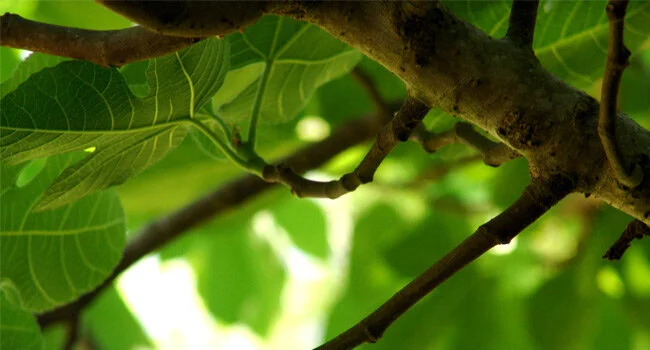
Jesus was making a point about something that looked good, had the promise of life but was incapable of producing any fruit even if it tried.
He was alluding to the religious system of that day - the temple, the priesthood, the daily services, the yearly feasts, the Old Testament law, the rituals of the Levites, the morning and evening sacrifices which had the appearance of life. But beneath these ‘goodly leaves’, the Jewish religion was utterly destitute of fruit. It had no grace, no faith, no love, no life, no humility, no joy, no real spirituality, no security, no real holiness, nor any desire to receive its Messiah.
Throughout the book of Mark Jesus taught His followers about fruitfulness. He tells us that we were made to produce fruit, and plenty of it when we are vitally connected to God, when our source of life comes from Him (John 15:5).
Whether Christian or not, everyone desires to live a productive life, to be remembered for something significant. But the fruit we are expected to produce as Christians has even greater significance:
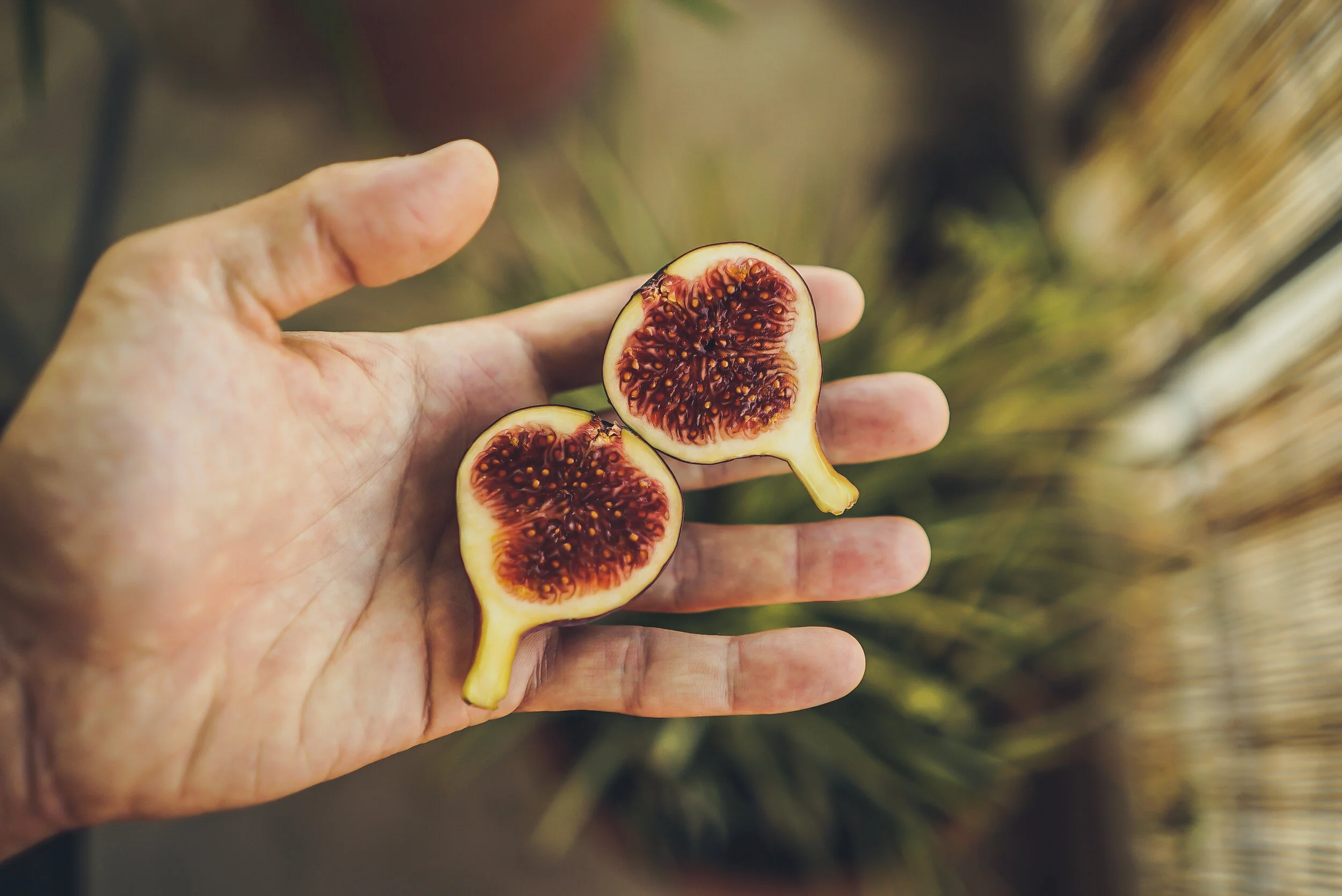
True fruitfulness begins in the heart with the fruit of the Spirit.
That inner fruit affects outward actions; our words and our activities which should all be used for God’s glory. The fruit of a Christian’s life affects others not just in this life but for all of eternity because the life of the fruit originates from God and points people to God.
2. Corrupted Courts
The second scene, vv 15-17, describes how Jesus is driving out buyers and sellers from the temple.
Why did Jesus clean out the temple? What was so important about the temple? Why was Jesus angry?
Throughout the history of Israel the temple was the center, the heart of where true worship took place. People came during special seasons and celebrations to meet God, and it was where the daily sacrifices for forgiveness and the atonement for the sin of the nation was made. It was a sacred place.
When Jesus stepped inside the temple door, the first area He saw was the court of the Gentiles -the court of the “nations.” This was the only part of the temple where non-Jews were allowed, and it was the largest section of the temple. All the ‘business operations’ of the temple had been moved to this court. Thousands of people flooded into Jerusalem bringing and buying tens of thousands of animals to be sacrificed for the Passover and exchanging foreign currencies at money changers’ tables.
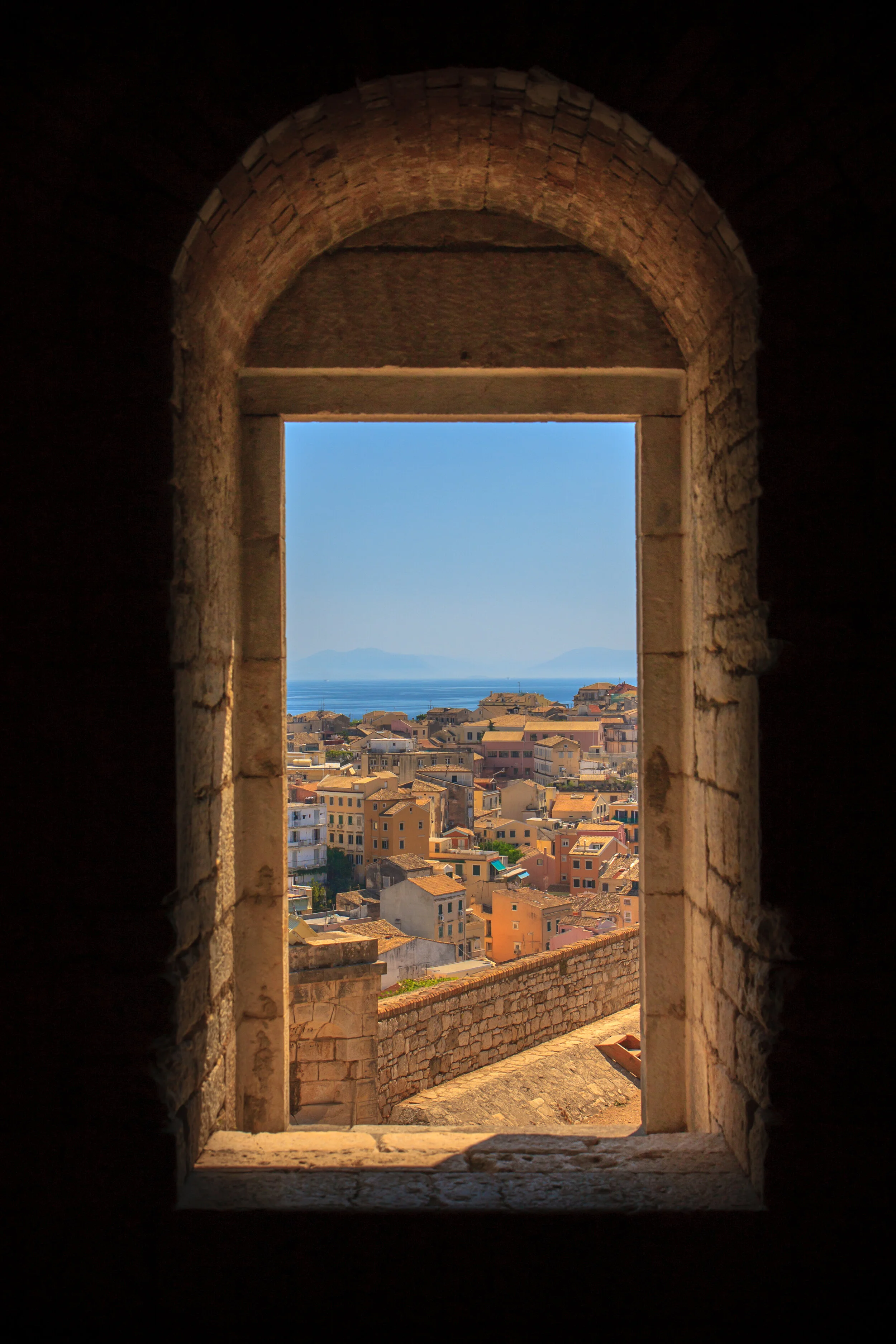
The temple was His house.
The outer court was the place where the Gentiles were supposed to find God through quiet reflection and prayer. Instead of finding a place of quiet contemplation and rest, He found a noisy, chaotic, temple wreaking of corruption. When Jesus started cleaning out the temple He was calling the people back to true worship.
“My house will be called a house of prayer for all nations. But you have made it ‘a den of robbers’. ”
Many scholars believe that the fig tree and the cleansing of the temple are a picture of the religious system in Jerusalem and the future judgment against the religious leaders and the nation.
The religious crowd was more focused on traditions and replaced a relationship with God for rituals.
Is it so different than what we find in churches today? It is possible that lots to do, meetings to attend, people coming and going and lots of action happening in the church can come between us and the Lord. There is no real connection with God, no time for quiet reflection on the word, very little prayer in the house of God, therefore there is no communion with Him, no change in our lives, no growth, no fruit.

It is out of that relationship with Jesus, you become a more complete person, the person you were designed to be.
Are we willing to let Jesus examine our lives? Are we more fruitful than last year?
According to 1 Cor. 6:19, our bodies are the temple of the Holy Spirit. Is there anything within us that we allowed in that should not be there? Thoughts, attitudes, actions. Things that have robbed us of in our relationship with the Lord or fellowship with others?
It is through being vitally connected with God Almighty as the object of our faith that we develop:
3. Fruit-bearing Faith (vv. 22 - 25)
Jesus said, “I tell you the truth” - meaning this is very important. If your faith is in the all-powerful God, who works miracles then your faith will produce fruit.
When we come near to and commune with an all-powerful, sovereign God, seeking His Kingdom first, He tells us that whatever you ask in prayer, believe you have received it, and it will be yours.
How often do we pray like this?

Faith in a powerful God is powerful faith,
believing God for the practical as well as for the impossible. Effective prayer moves us into action - personally and corporately.
18 “I tell you the truth, whatever you bind on earth will be bound in heaven, and whatever you loose on earth will be loosed in heaven.”
19 “Again, I tell you that if two of you on earth agree about anything you ask for, it will be done for you by my Father in heaven.” (Matthew 18:19-20)
When we, more and more become a praying church, we will see God move in ways we never imagined possible. He will produce fruit in us individually and as a church.
16 You have not chosen Me, but I have chosen you and I have appointed and placed and purposefully planted you, so that you would go and bear fruit and keep on bearing, and that your fruit will remain and be lasting, so that whatever you ask of the Father in My name [as My representative] He may give to you.
17 This [is what] I command you: that you love and unselfishly seek the best for one another (John 15:16-17).
We see in Mark 11:25 and here in John 15:17 that we not only need to be rightly related to God when we pray but rightly related to each other. Our prayers must be offered in the spirit of forgiveness and unselfish love towards each other.
“Faith and the willingness to forgive are the two conditions of efficacious prayer”
God desires that we produce abundant fruit, healthy fruit. If we desire to be fruitful and healthy as individuals and as a church we have to allow Him to do His work so we can walk in unity and mature together.
Let’s ask the Lord to cleanse us so that we can produce fruit now and fruit that will remain for all of eternity. Let’s have a living faith - believing God beyond the practical - for the impossible, for Him to move in ways in our church that go beyond what we could even ask or imagine.